Integrity is king.

In leadership, integrity trumps everything. With politicians in the 21st century, integrity has been a rare commodity. It is therefore refreshing when a political leader stops thinking about power, re-election or ideology and simply does the right thing. That is precisely what South Korean Premier Chung Hon-won did today. Unsolicited, he fell on his sword, taking full responsibility for last week’s ferry disaster that killed at least 200 people. He said the following:

“On behalf of the government, I apologise for many problems from the prevention of the accident to the early handling of the disaster.”

Chung_Hong-won2_2704_840_895_100

He added: “There have been so many varieties of irregularities that have continued in every corner of our society and practices that have gone wrong. I hope these deep-rooted evils get corrected this time and this kind of accident never happens again.”

Leaders like Mr Chung set a salutary example. To lead is to be accountable to those who by their grace, allow you to occupy the position. This is as true for CEO’s as it is for politicians or anyone else who sits on top of any hierarchy. In the end, as a leader, you need to hold yourself accountable and to be able to rest easy. Mr Chung could not. He may have made mistakes, but at least he leaves his post with honour.
 

The Vicissitudes of Succession

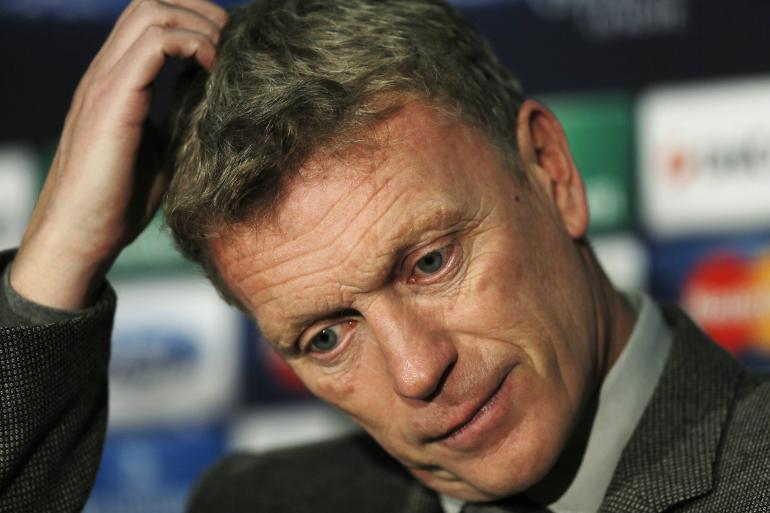
Cometh the day, cometh the man. Nine months ago at Manchester United, many fans would have felt a deep ambivalence about the exit of their manager, a man who led the club for 27 years. True, he was the most successful manager in their history. True, they had just won the English Premier League, a coveted trophy even in global terms. But Sir Alex Ferguson had chosen as his successor a man who had practically won nothing. Does that matter? Not if the leader in waiting represents a similar set of values. Not if he has been carefully groomed for this step up in challenge. Not if he had been successful in his own right. But David Moyes was none of the above. What was it that Ferguson saw in his this protege? A steady and un-flamboyant man with steely Scottish grit. A man of character. Someone who had led a second tier club for 11 years and kept them close to the top of English football. It was a fair bet. But it was wrong. Why?

Image

Easy to sit here and write obituaries after the event. Told you so ain’t clever. But it is easy to see why what happened was always going to be this way. And it is not the fault of either man, it is a problem with the football system. In organisational life, succession starts happening almost as soon as a leader takes a position. In football it’s all about personality. In companies, leaders are groomed and inculcated with the culture of the organisation. In football clubs managers are bought. When leaders are hired from the outside in the business world, they inevitably fail. Nine out of ten successful companies build a succession pipeline from within. Moreover, Moyes inherited a team of winners, a team with whom Ferguson had just won a league trophy, a team he had bought built and nurtured like a father. How on earth could Moyes improve? He was a dead man walking from day one. If football clubs want to become more profitable and look less clumsy they would do well to think about building a managerial pipeline off the field to complement the youth pipeline on it. Not to do so not only destroys value, but sets them back years.